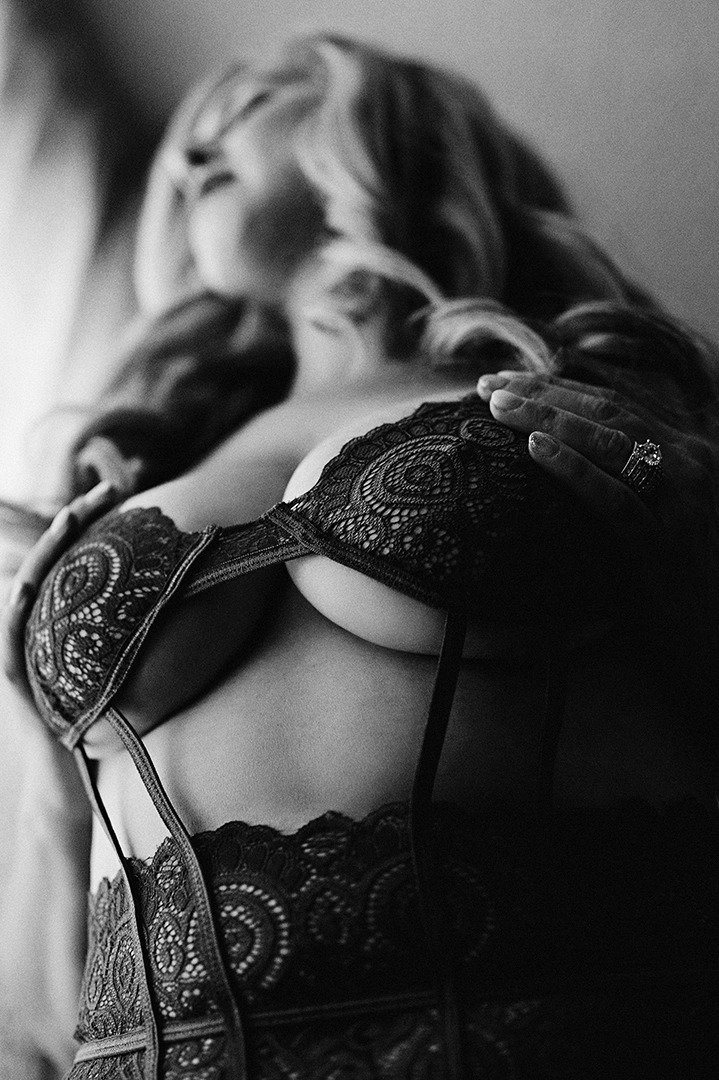
.svg)
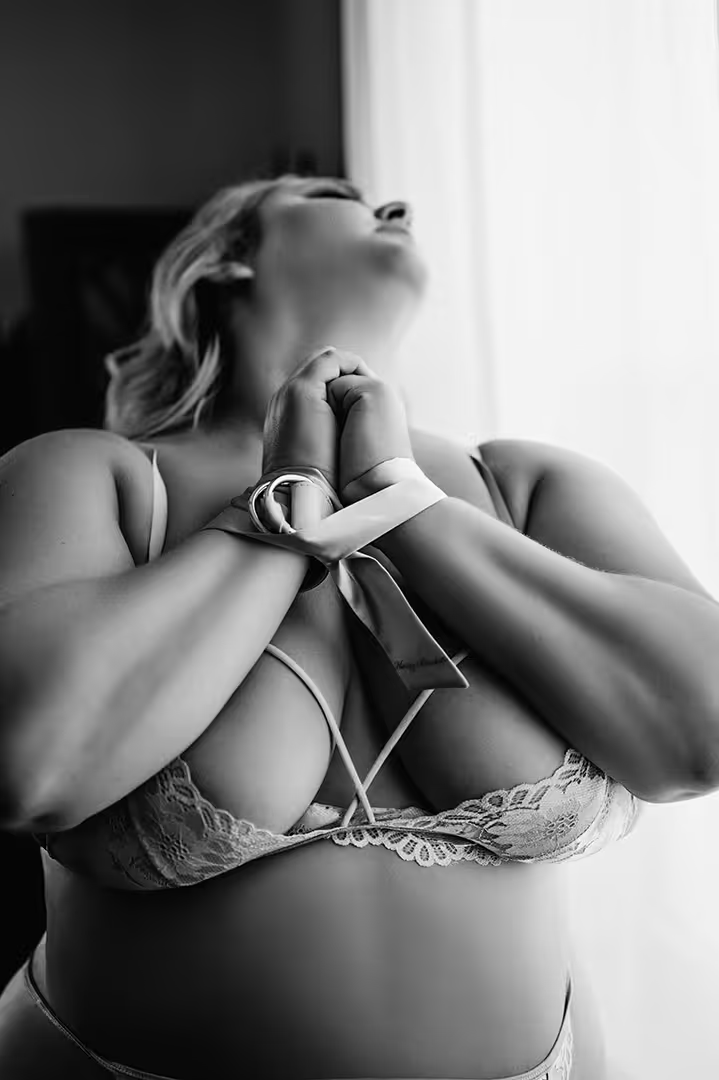
One of the most common things I hear is this: “I’ve seen the poses online, but I don’t think my body does that.”
Or sometimes: “I don’t want to look awkward.”
If that’s running through your mind right now, you’re definitely not alone. Posing is the thing almost everyone worries about before a boudoir session, and it’s the thing you need to worry about least.
You won’t be left to figure any of this out by yourself. This isn’t homework, and it isn’t a list you need to memorize. It’s just a peek at what we’ll actually do together in the studio, so when you walk in, you already have a sense of how things go.
Yes, You’re Going to Be Posed!
Let me be upfront about how I work, because I think it’s the most reassuring thing I can share.
I pose you. Head to toe, right down to where your fingers rest and even how you breathe. I’ll tell you what to do, show you what I mean, and then ask you to hold it while I take the shot.
Boudoir is more posed than almost any other kind of photography, and there’s a good reason for it. There’s no clothing hiding what your body is doing. Every shape, every angle, every line is right there, so the pose has to be just right and so does the light. That’s not something you should have to figure out. It’s what I’ve spent my whole career learning how to do.
So here’s what that means for you: you don’t have to be creative or show up with ideas, and you definitely don’t have to know your angles. You just follow what I say, and I take care of the rest.
And if a pose ever feels uncomfortable, just tell me. Comfort is always the priority. Every session is designed for what feels best for your body, whether that means tweaking a pose, shifting your position, or finding something completely different that works for you.
I’ll be honest with you about one thing. Some poses feel completely ridiculous while you’re in them. Almost everyone feels a bit silly at some point. And then I turn the camera around and show you the back of it, and that’s usually the moment it all makes sense.
Standing Poses That Feel Strong
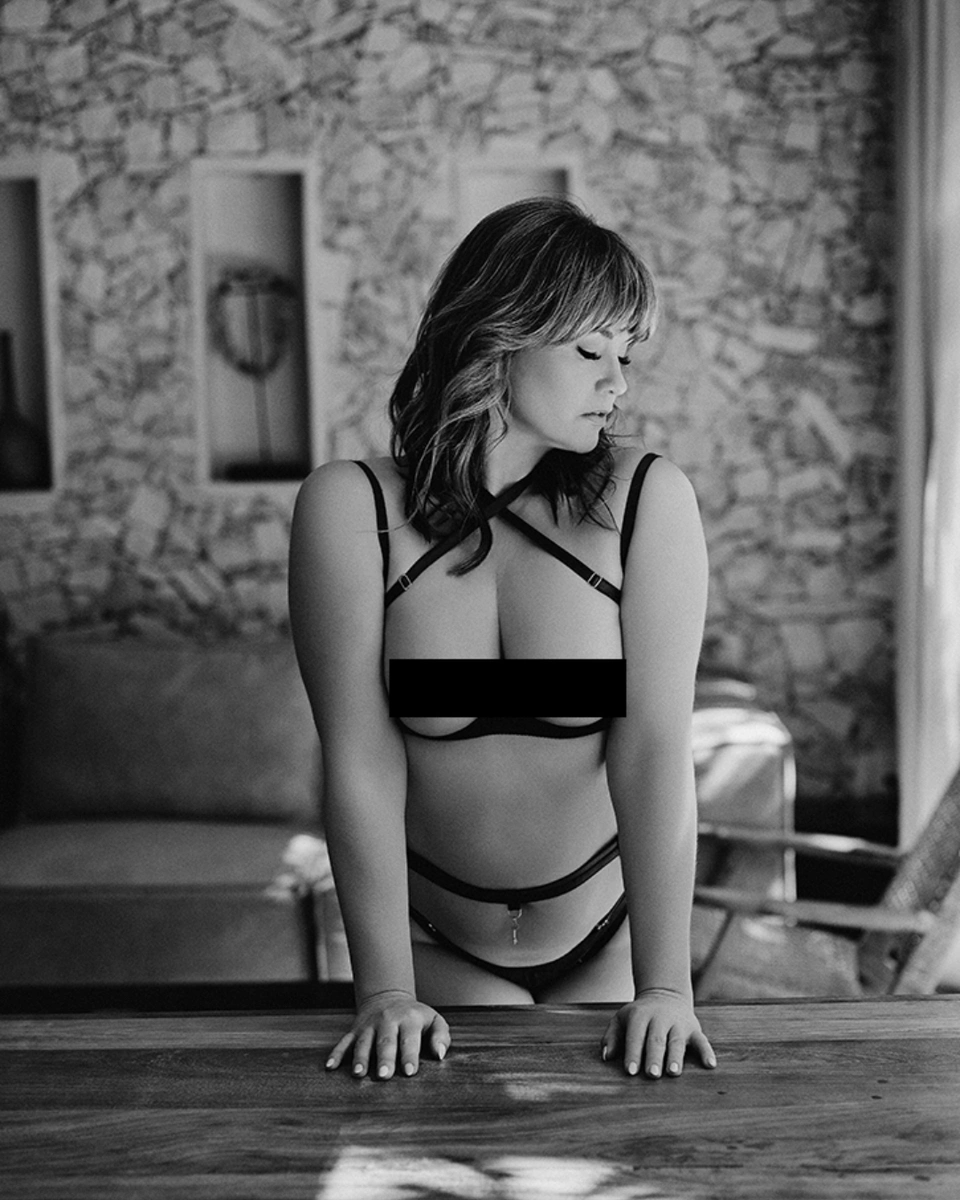
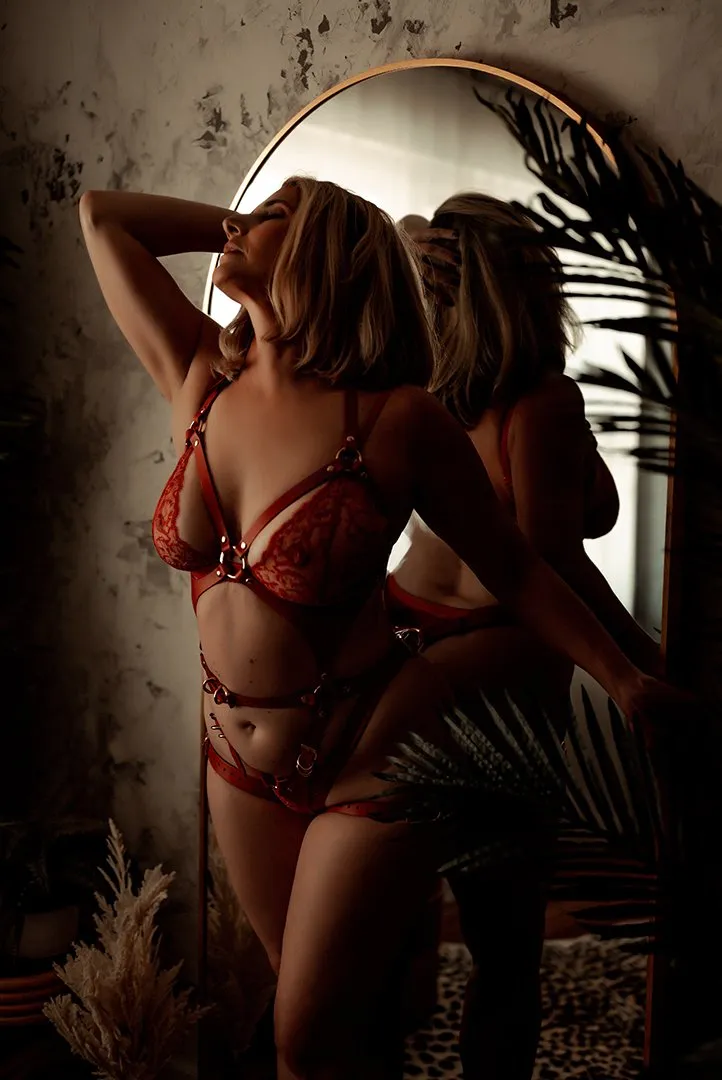
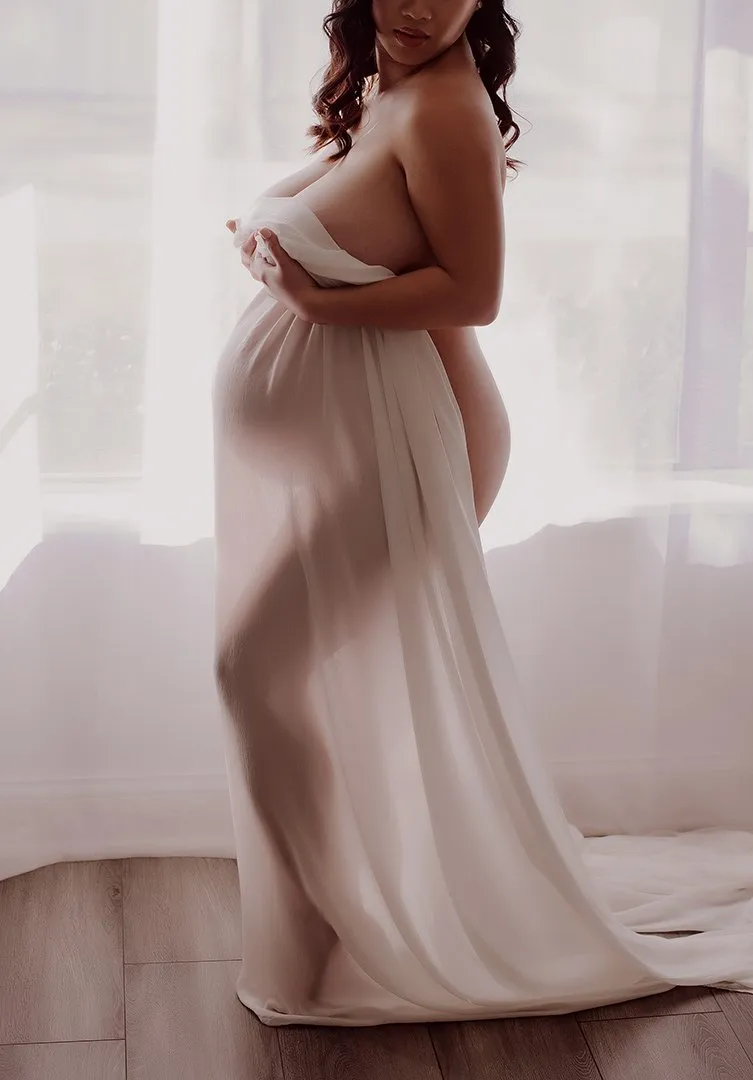
Standing is where your curves get to be curves, and in plus-size boudoir it’s often where we’ll begin. It gives us the full length of your body to work with.
A few standing shapes we come back to:
- Weight on your back leg, front knee bent and turned in slightly. It creates a natural curve through your hip and waist, and it does the work for you.
- Both hands in your hair with your elbows open. It lifts your chest, lengthens your torso, and gives your arms somewhere confident to be.
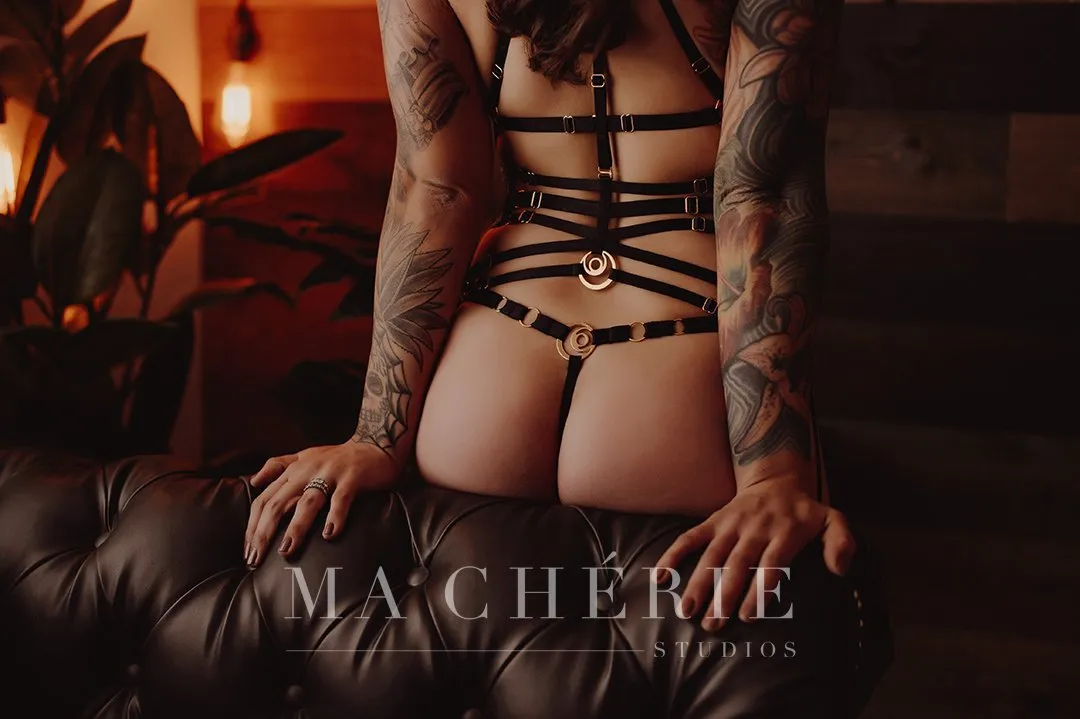
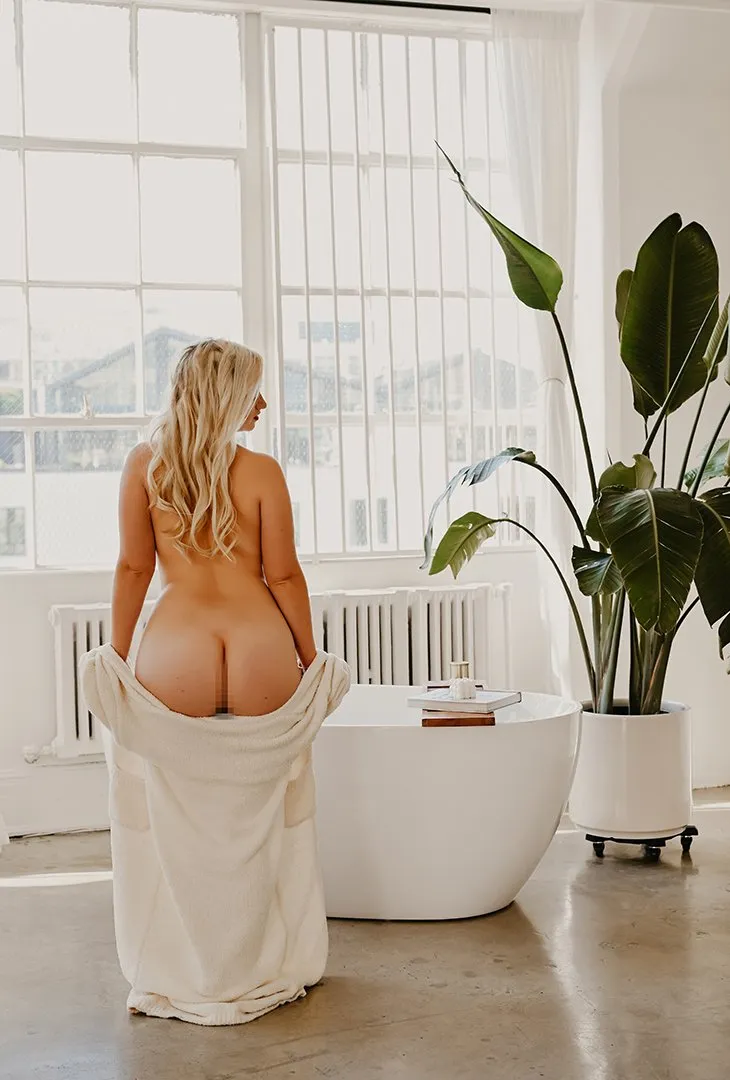
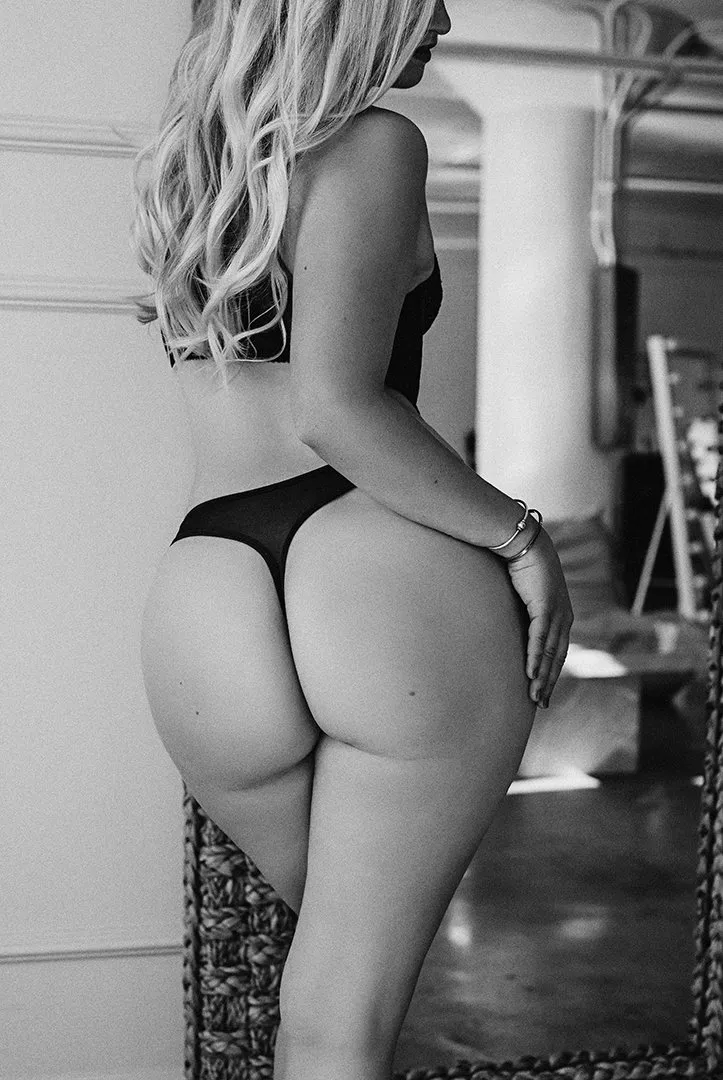
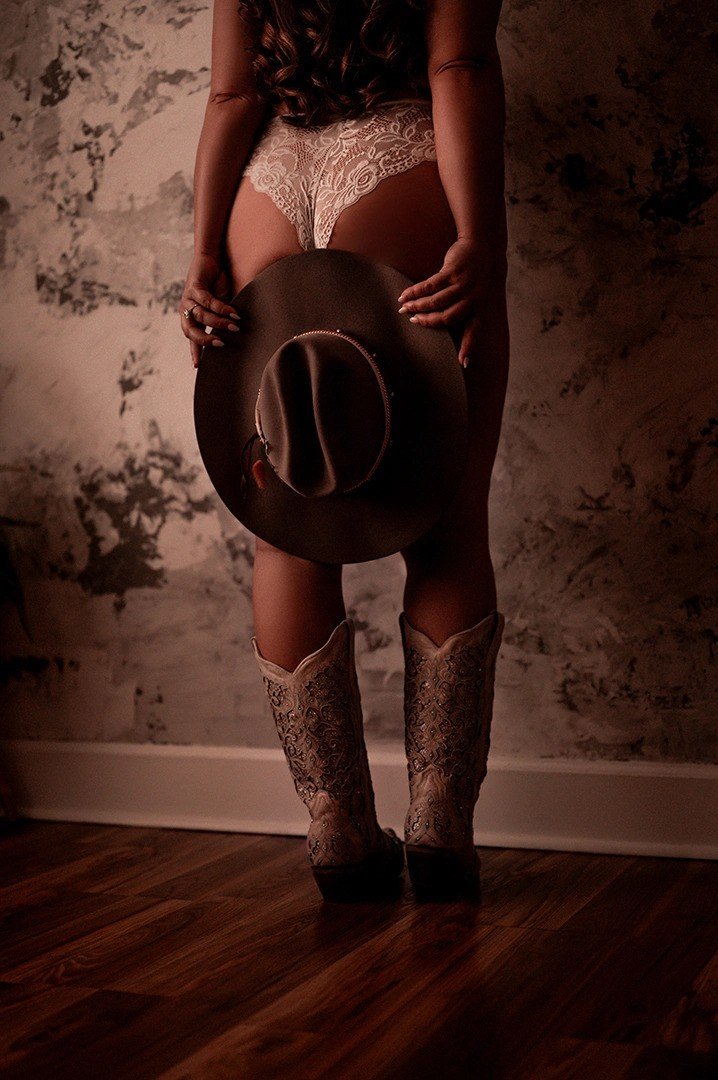
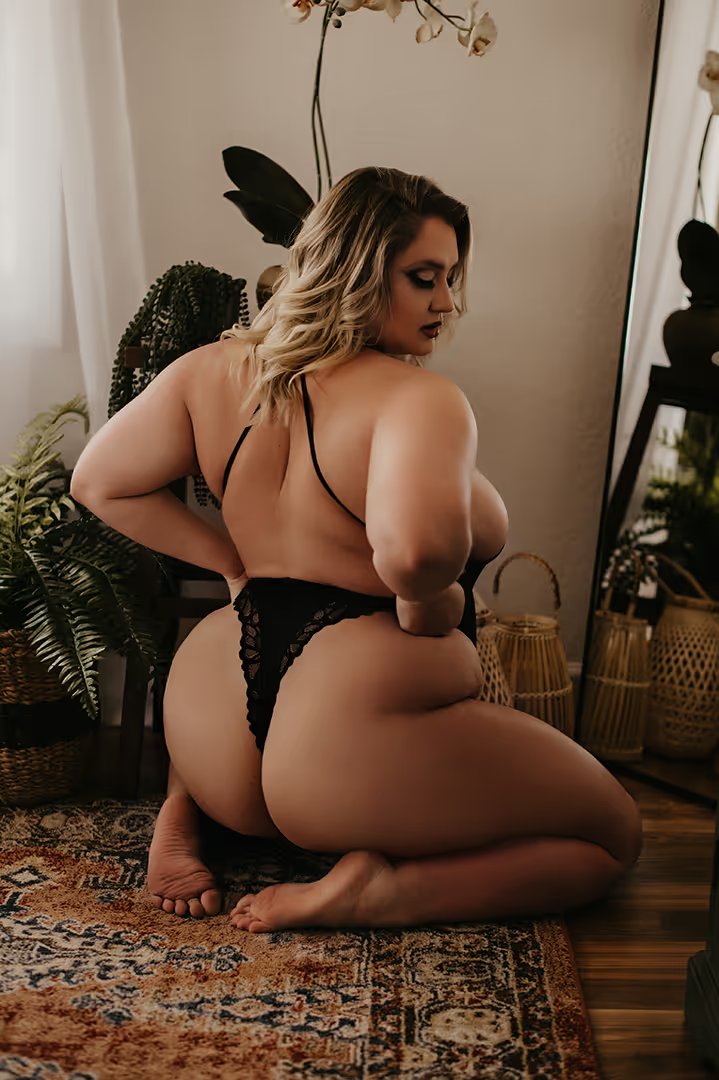
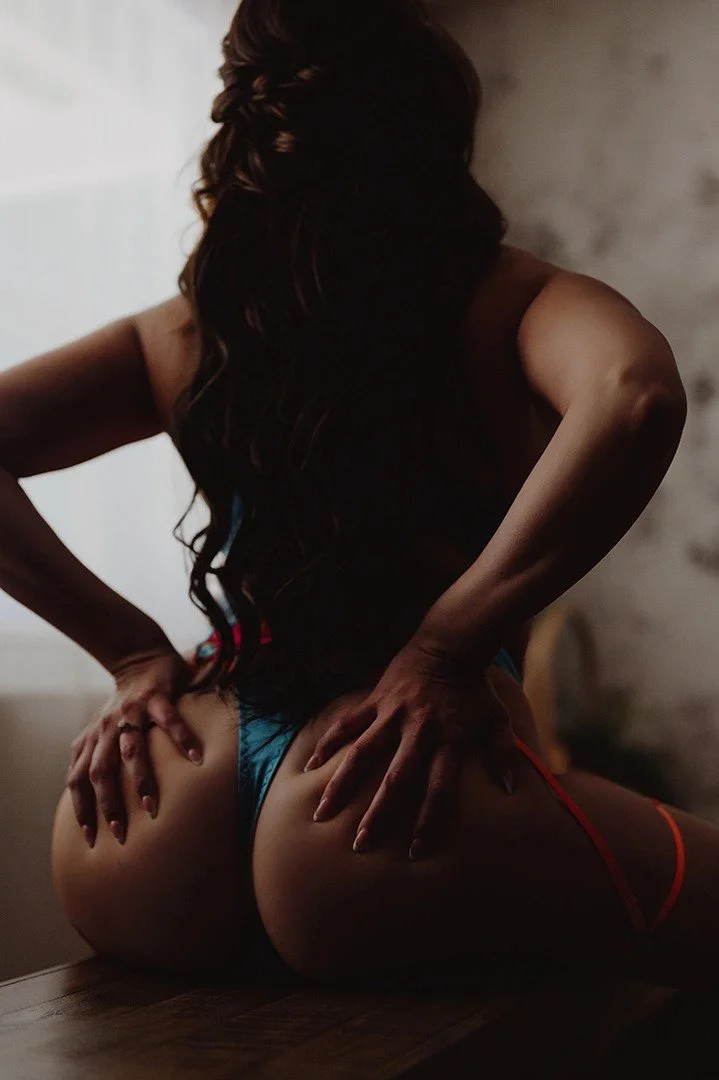
- Turned away from the camera, looking back over one shoulder. Backs and waists are so underrated, and this celebrates both.
- One hand on a door frame with your weight shifted onto one hip.
Seated Poses That Feel Relaxed
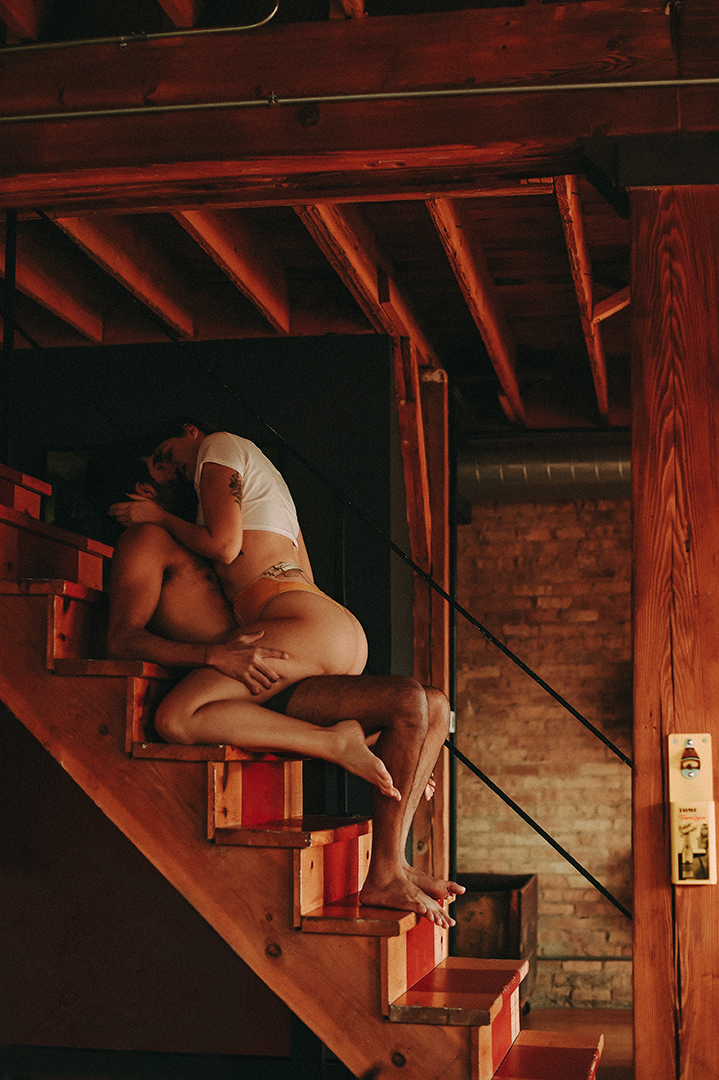
Sitting is where a lot of people tense up, and I get it. Sitting square to the camera folds everything forward, and it rarely feels good.
So we don’t sit square. Almost every seated pose I use has a lean or a turn built into it.
Seated shapes I come back to again and again:
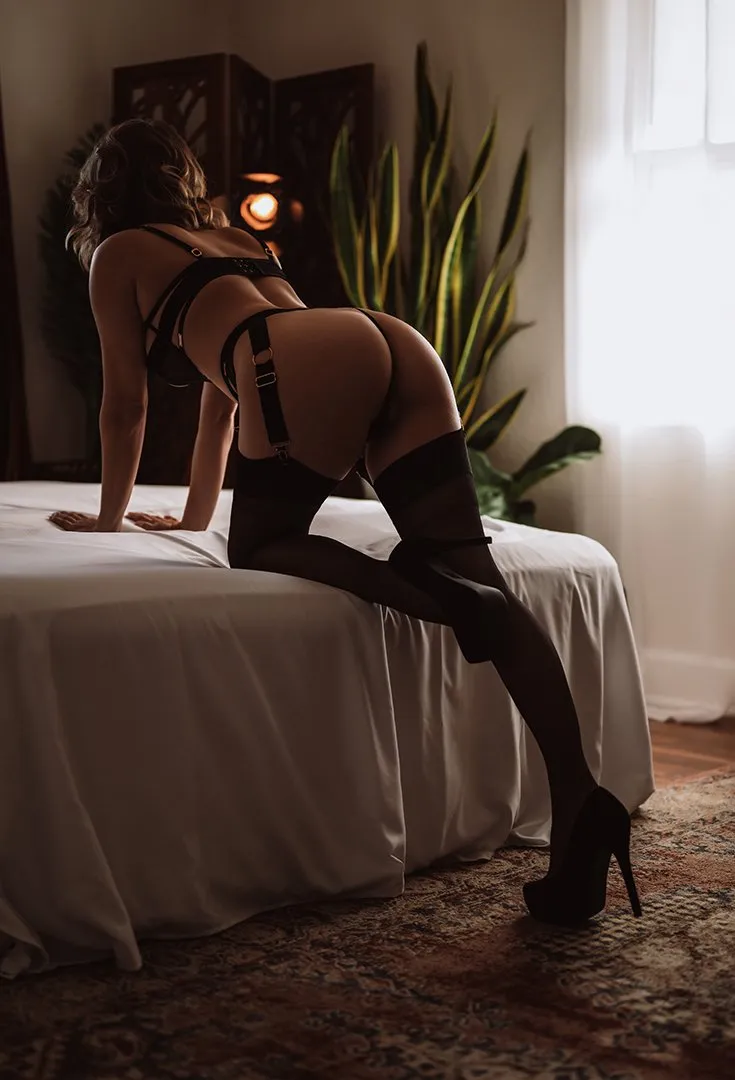
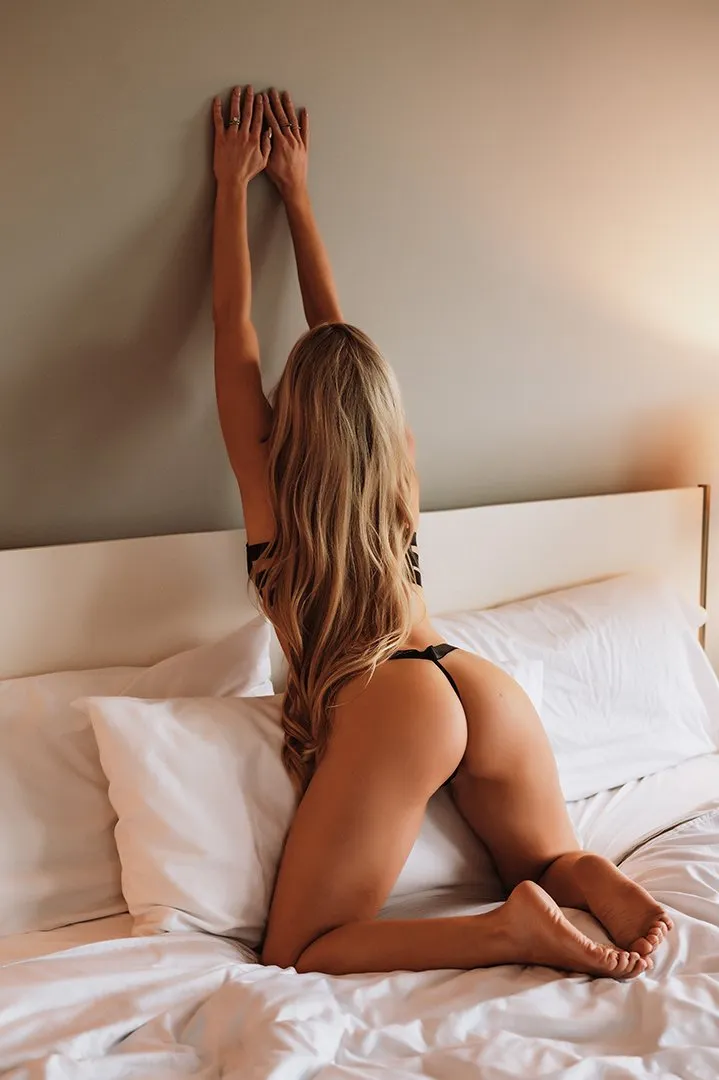
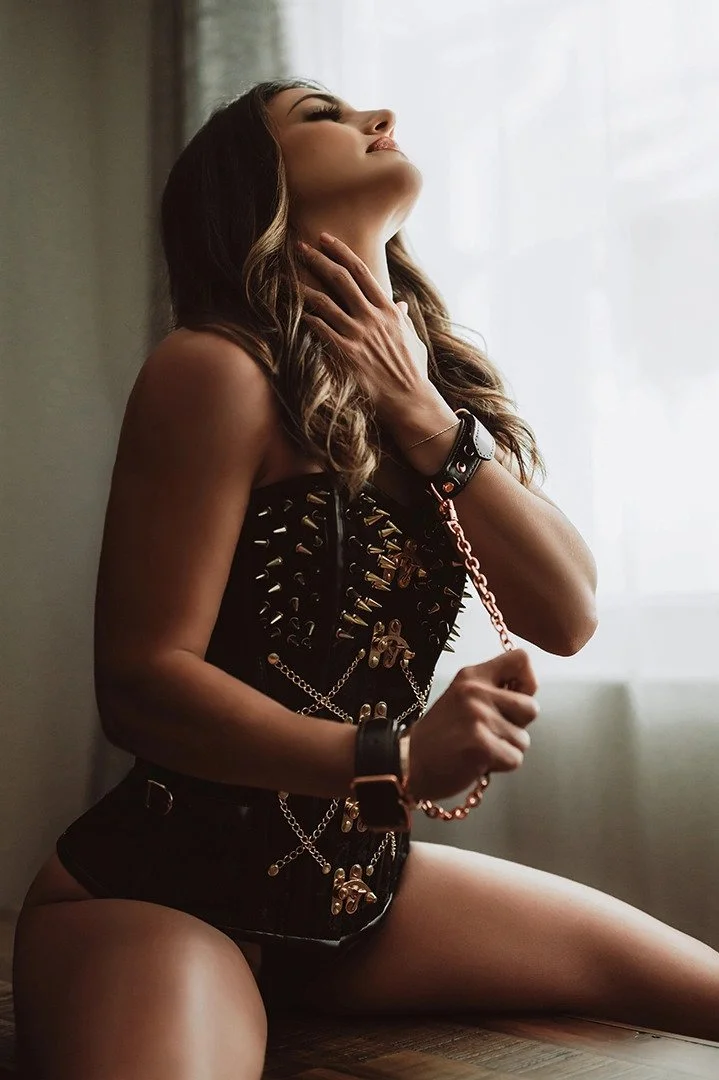
- Kneeling and sitting back onto your heels, knees slightly apart, back arched.
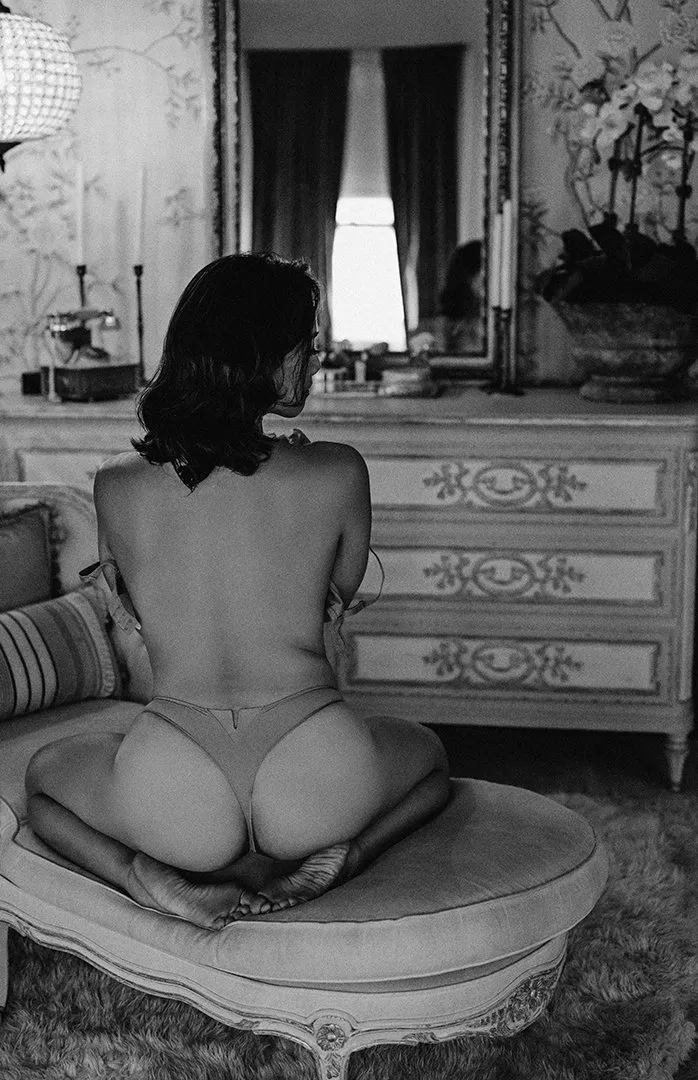
- Cross-legged, leaning toward the camera with your weight in your hands.
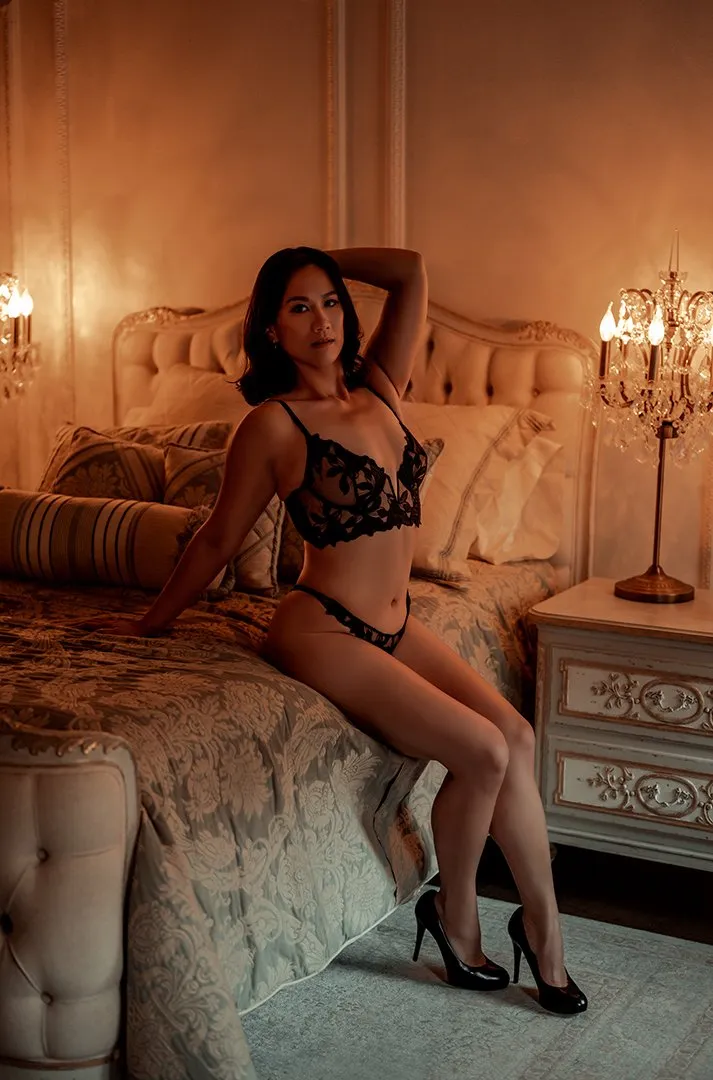
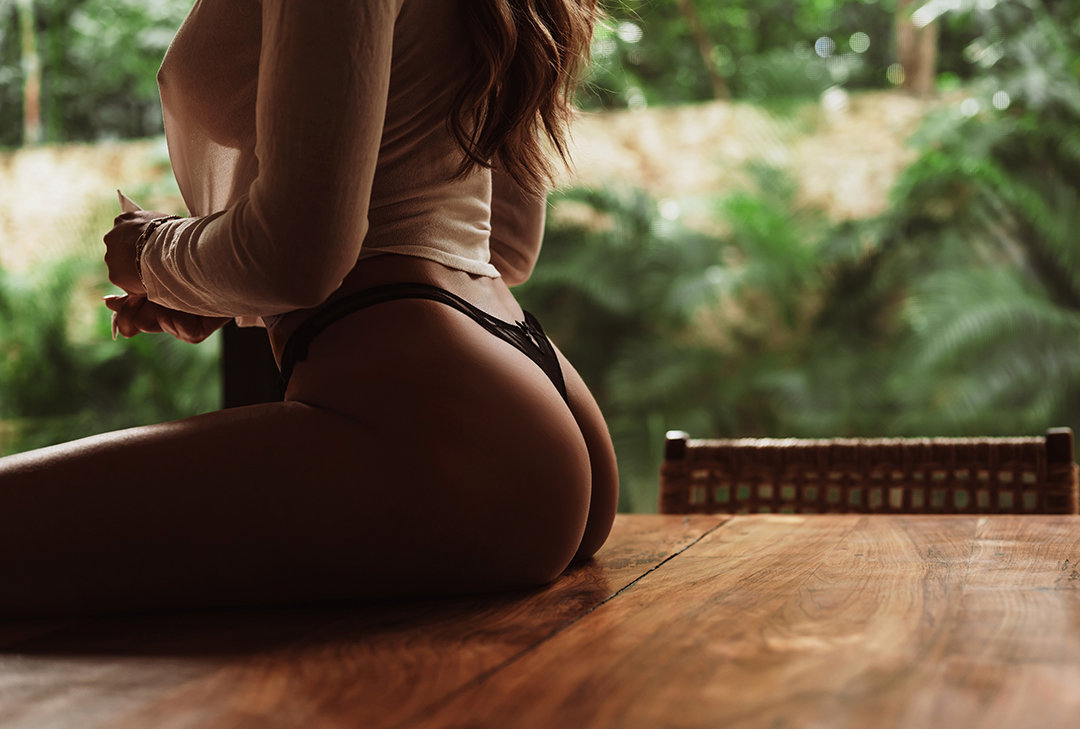
- On the edge of a chair or table, one leg extended and the other tucked underneath.
Each one puts a little lean or turn into your body, and that does a lot of quiet work.
Lying Down Poses
Lying down is honestly my favorite way to show off curves.
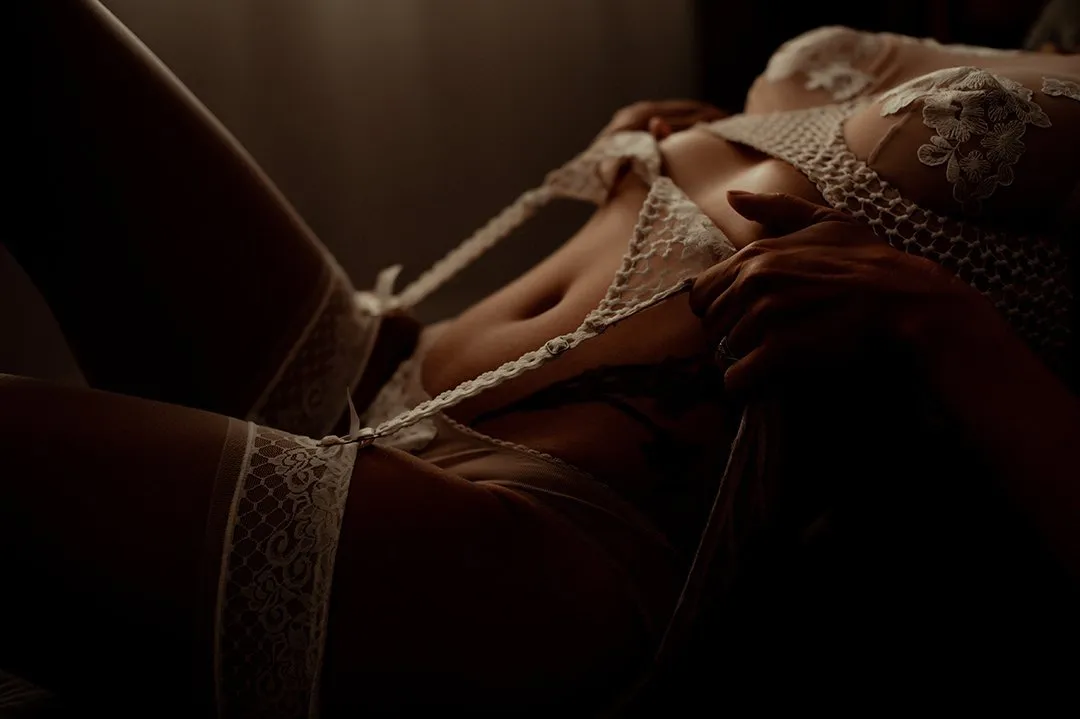
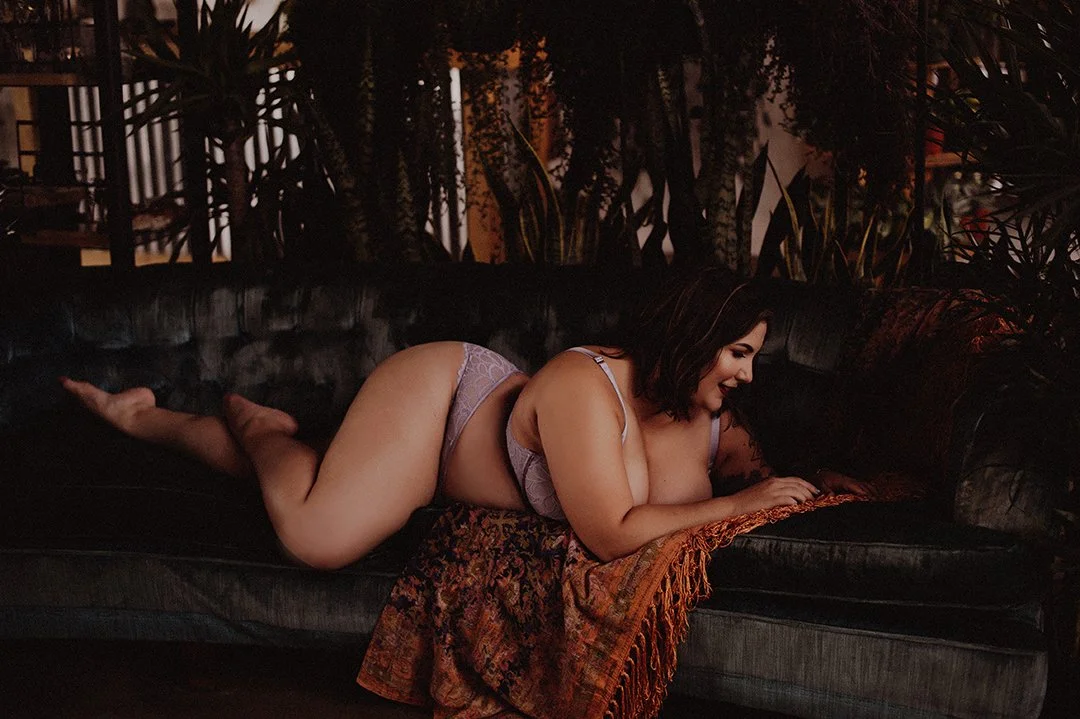
These are the ones that consistently feel the most powerful:
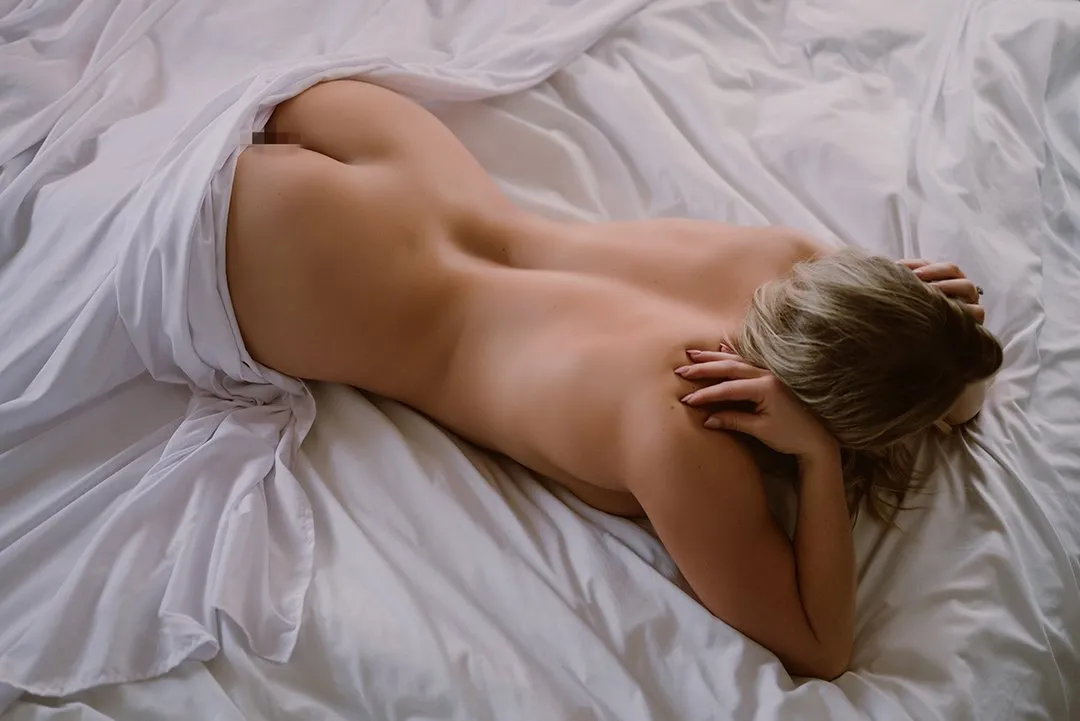
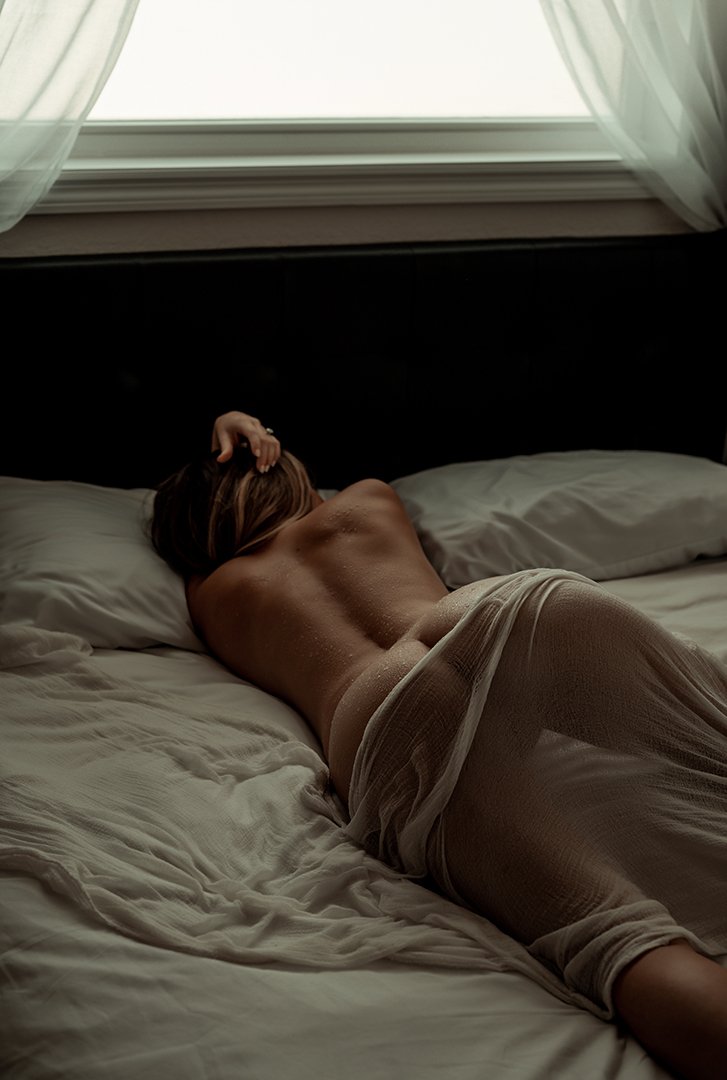
- On your front, propped on your forearms, feet crossed behind you.
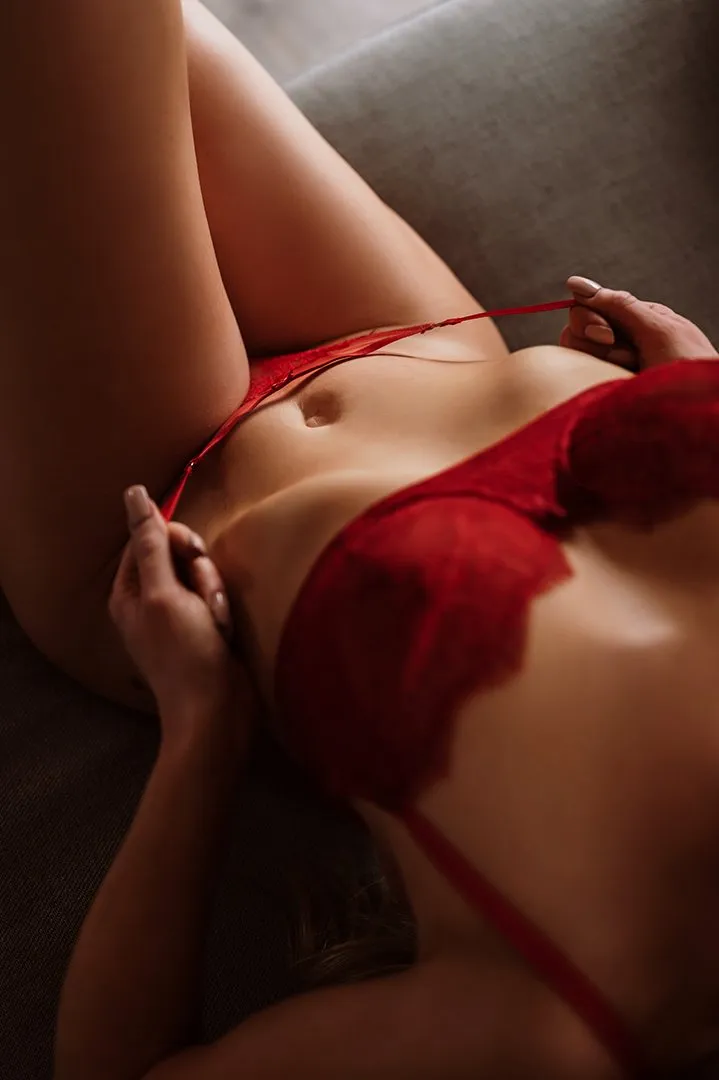
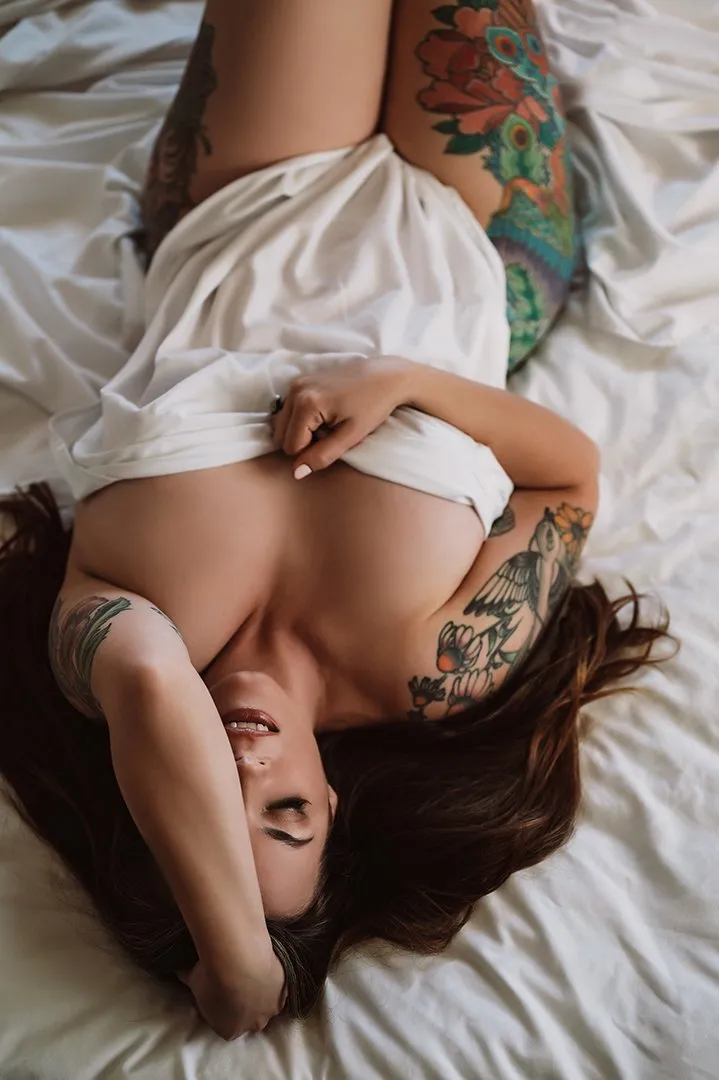
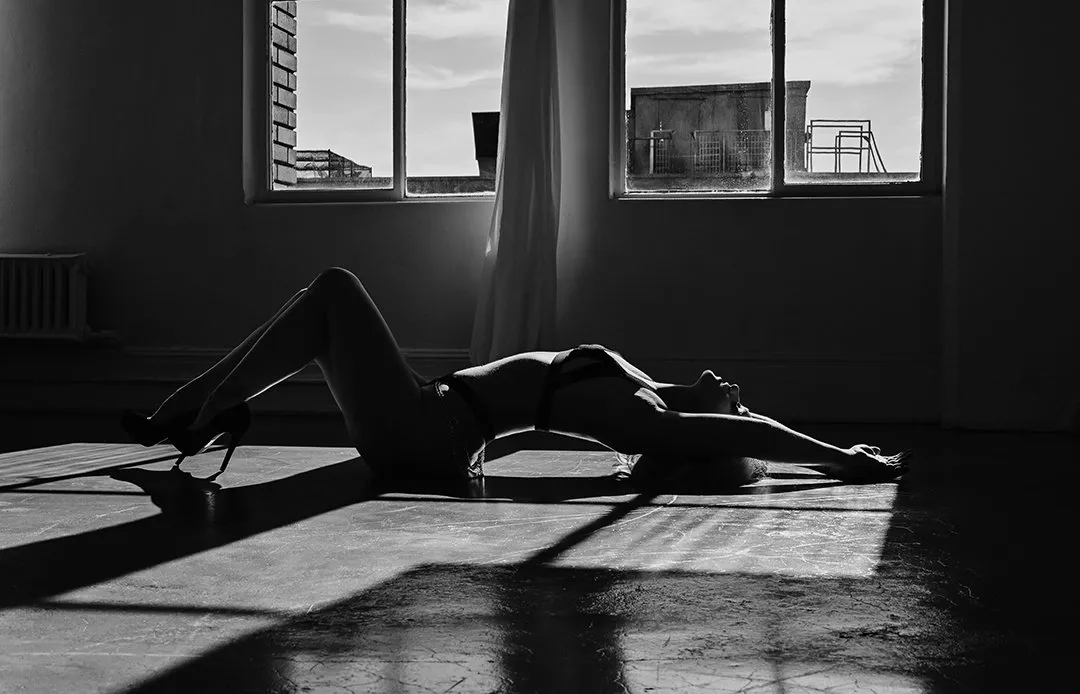
- On your back with one knee bent and both arms stretched overhead.
- On your side, top leg drawn up, one hand on your hip.
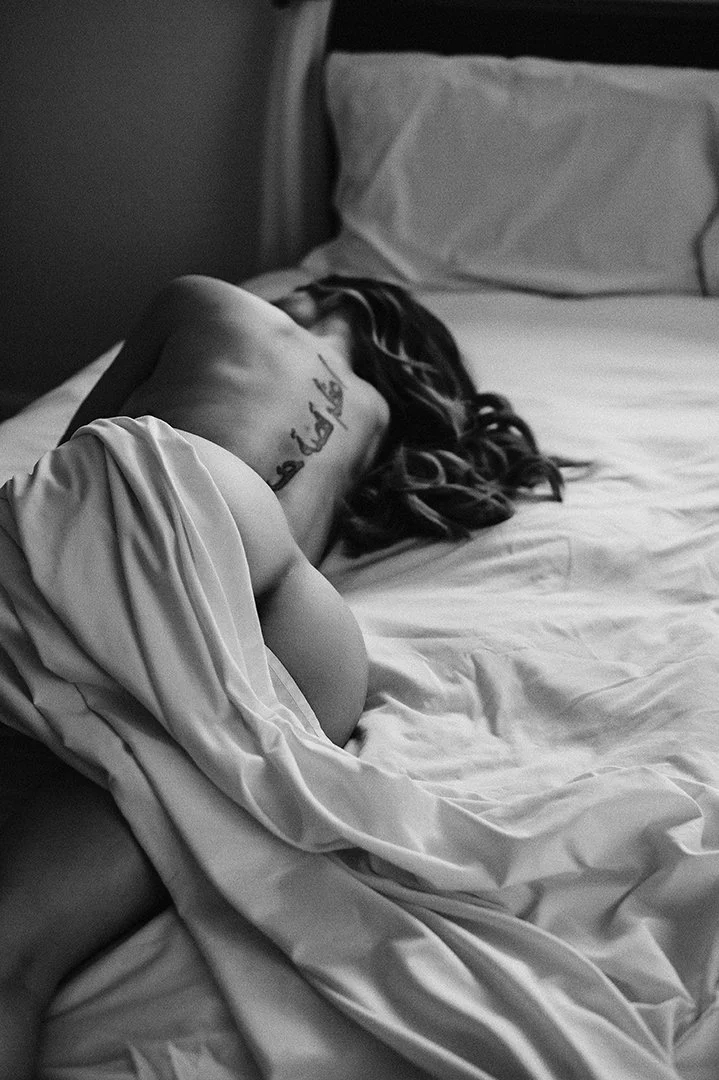
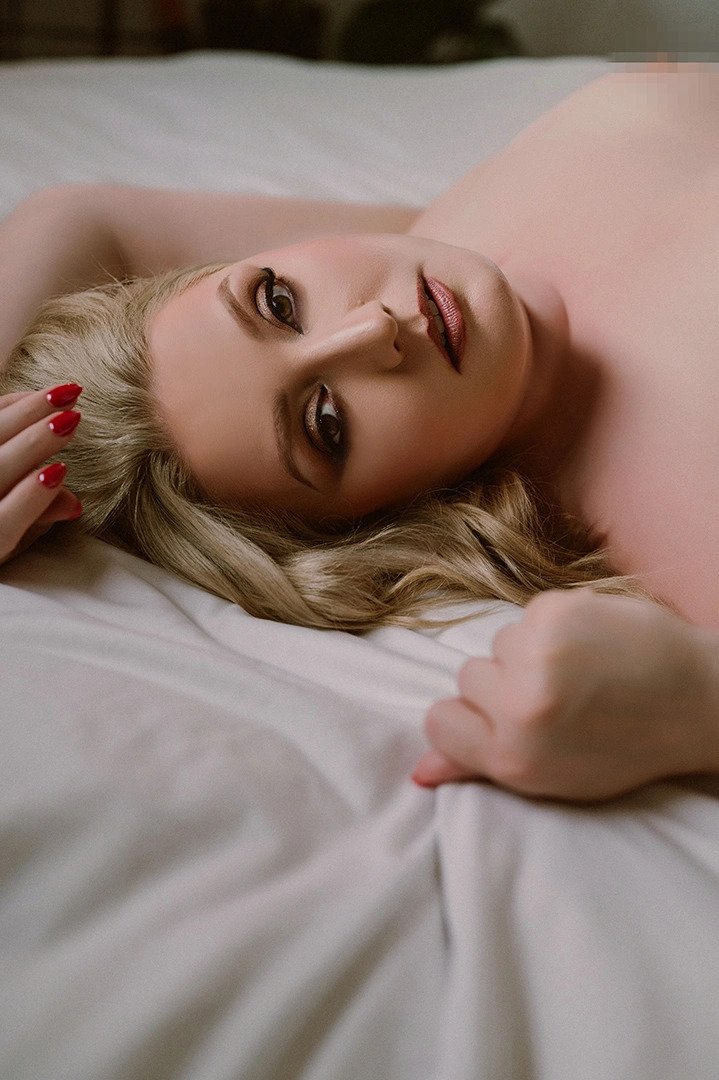
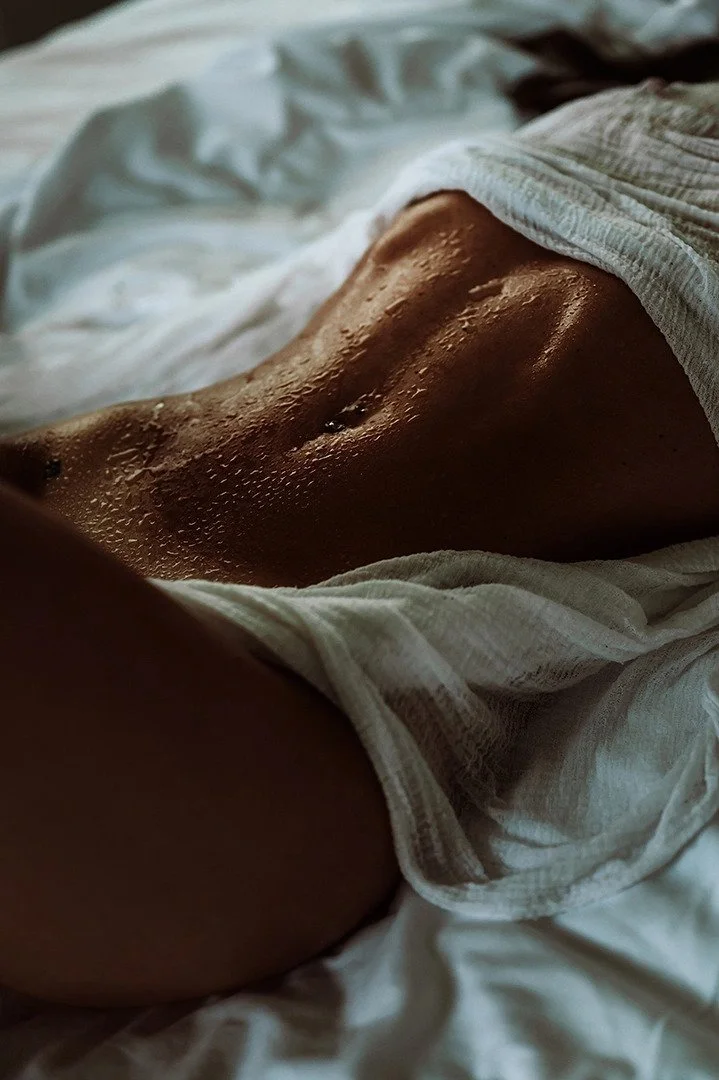
- On your back looking up toward the camera, hair spread out beneath you.
I’ll get you into each of these, and then I’ll adjust from there. You’ll hear me saying things like “drop your left shoulder an inch” or “point your toe.” Those tiny corrections are where the photo actually happens.
The Small Adjustments That Do Most of the Work
The pose is only half of it. The rest is a handful of tiny tweaks, and these are the things you’ll hear me calling out during your session.
The adjustments that change a photo the most:
- Put your chin forward, then slightly down. It feels strange. It looks incredible.
- Lengthen something. Point a toe, stretch your neck, reach an arm. A little length always reads as confidence.
- Put your shoulders back and down, then breathe out.
- Soft hands. Tense, flat hands are the fastest way to make a beautiful pose look stiff.
I’ll be directing your face too, because that matters every bit as much as the rest. Where to look, what to do with your mouth, when to soften your eyes. None of it is left for you to guess at.
What About Arms, Tummy, and Chin?
These three come up more than anything else, so let’s talk about them directly.
Arms. Sometimes I’ll ask for a little air between your arm and your side. Other times, I’ll want your arm resting right against you, because that contact gives you something to push into and helps me get your spine into the shape I’m after. There’s no single rule. It depends on the pose, and that’s my call to make, not yours to stress over.
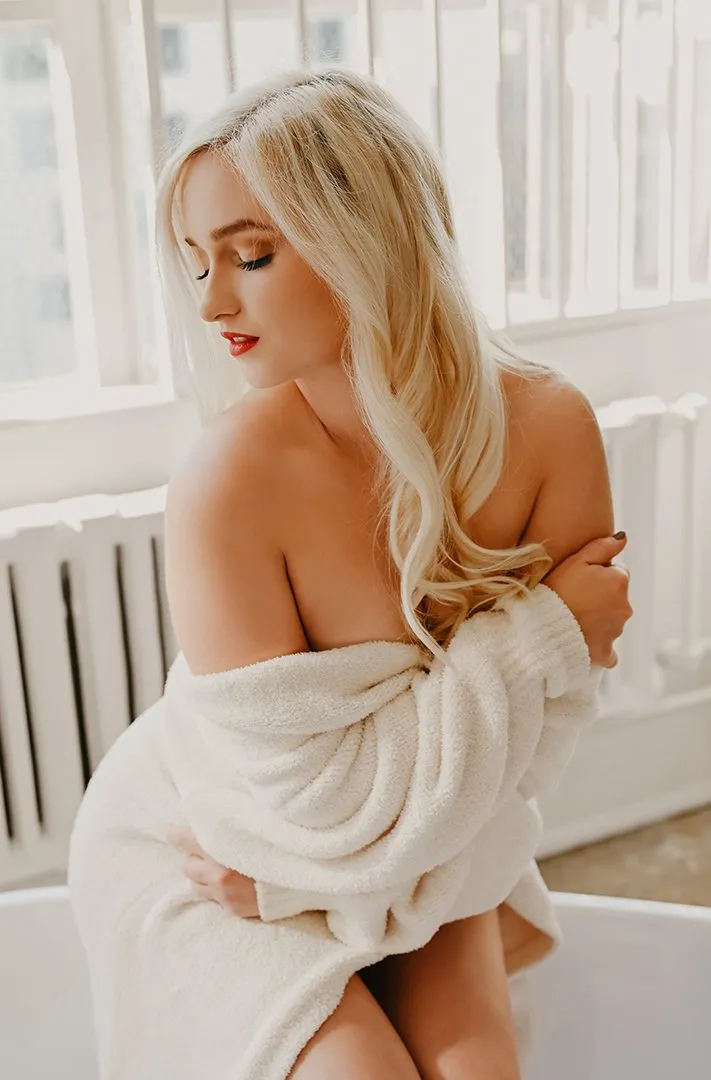
Tummy. What actually works is a layering piece like an oversized button-down, a cardigan, or an open robe. It lets us feature the parts of you that you want to show off and softens everything else, and it photographs beautifully. Worth keeping in mind when you’re planning outfits.
Chin. Camera at or above eye level, chin extended forward rather than lifted up. Simple, and it makes an enormous difference.
I want to be clear about one thing here. You decide what gets featured and what doesn’t. If there’s a part of you that you’d rather keep covered, that isn’t a compromise and it isn’t something to apologize for. It’s a styling decision, and we’ll make it together before we shoot.
You Don’t Have to Remember Any of This
Please don’t screenshot this list and practice in front of your mirror the night before.
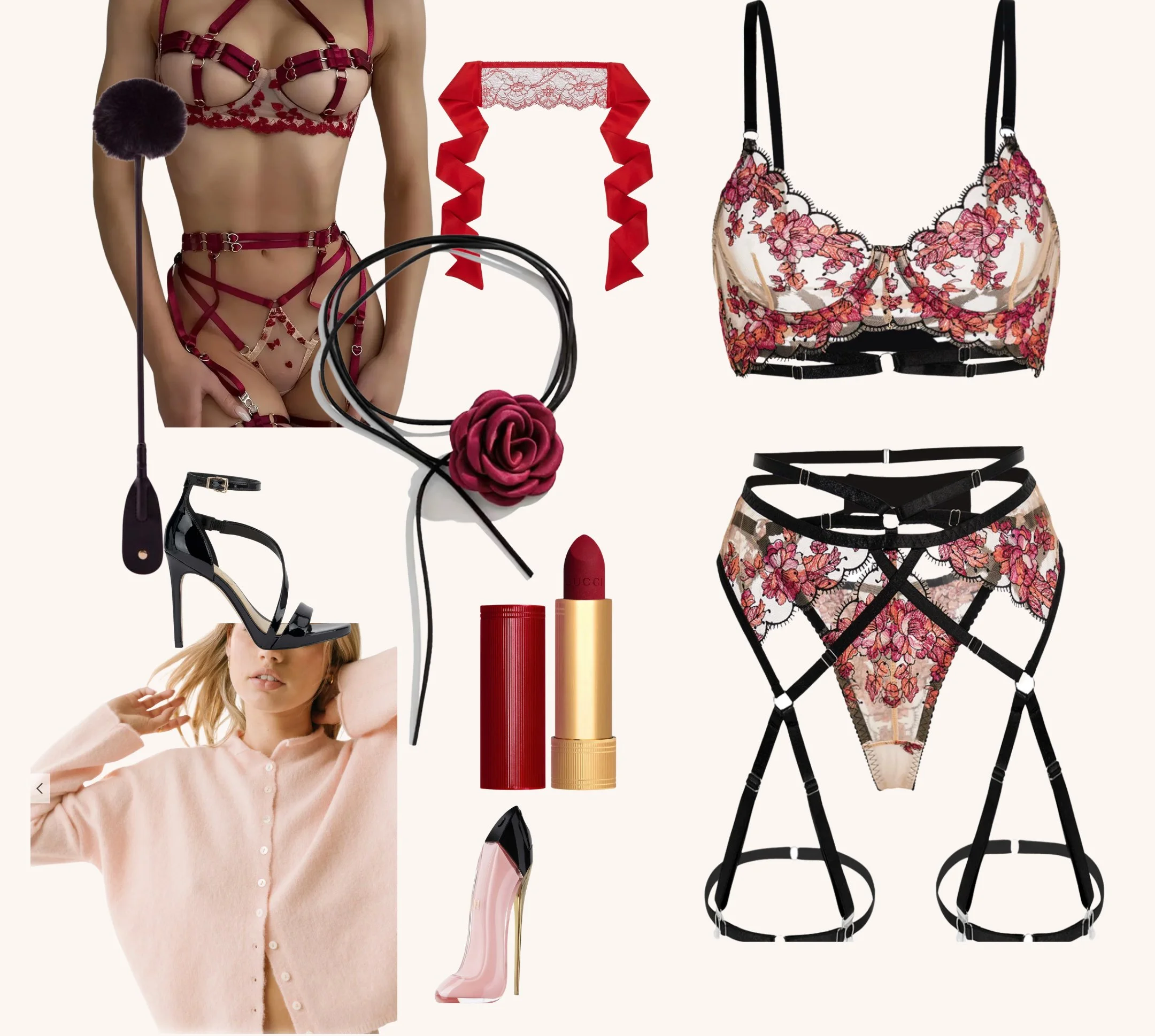
If you want to do anything to prepare, just bring outfits and accessories that make you feel good, and try to get a good night’s sleep. There’s nothing else you need to do. I’ll guide you through everything once you arrive.
I’ll demonstrate every single pose before you do it. Hand placements, chin angles, every little weight shift. I’ll talk the whole time, adjust as we go, and tell you exactly what’s working. You don’t need to show up with a plan.
Your only job is to show up and let the session happen. The music will be on, we’ll be chatting, and about five minutes in, most people forget they were ever nervous about posing. It really does happen that fast.
Powerful, not posed, isn’t about avoiding direction. It’s the opposite. The more precisely I pose you, the less posed the final picture looks, because you’re never left holding a shape you’re unsure about or guessing what your body should be doing.
That’s my job. Yours is just to turn up.



.webp)